


PROJECT GOAL: To equip New American youth and young adults (ages 18 - 35) in the African community with social and vocational skills to contribute to the economic growth of Kent County.
SuccessNow
THEORY OF CHANGE
Language & Communication: When New Americans acquire language and communication skills, they can express themselves clearly, confidently, and respectfully across diverse settings—and advocate for their needs, build healthy relationships, and engage as active members of their community.
Vocational Pathways: When New Americans gain practical skills, professional behaviors, and clear career pathways—within a culturally responsive and supportive environment—they are positioned to secure meaningful employment and strengthen both their family’s economic stability and the broader community’s economic growth.
Systems Navigation: When New Americans receive clear information, culturally responsive guidance, and supportive relationships, they are fully capable of navigating community systems, accessing essential resources, and building the connections that strengthen their well‑being, stability, and long‑term success.

SuccessNow
PROGRAM ACTIVITIES
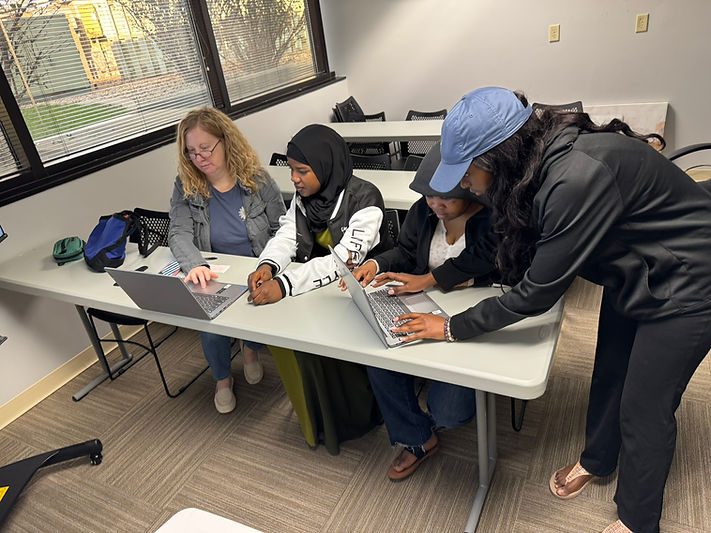
Language & Communication: Participants meet weekly with language instructors to build their English proficiency and develop the communication skills essential for social interaction and success in the workplace.
Work Readiness: Participants meet monthly with coaches and mentors to build practical skills and learn how to position themselves for meaningful, gainful employment, as well as for lasting success and growth once they enter the workforce.
Systems Navigation: Participants meet monthly with coaches to learn about the social, vocational, and health resources available to support their responsible and successful transition into American society.
SuccessNow Partner

SuccessNow is made possible by the Black Legacy grant provided by the Grand Rapids Community Foundation. Thank you!